

How can WeLoc detectable tweets avoid contamination in the production line?
In the pharmaceutical and food industry, any foreign body that comes into contact with the product can trigger a crisis: batch removal, customer claims, regulatory sanctions and, most seriously, health risks. Therefore, the control of auxiliary materials in the production line is as important as the control of the product itself.
One of the elements that is most passed through high - and that most problems can cause if not managed correctly - are the clamps and closures used to seal bags, bags and packaging during the production process. A conventional clamp that is broken or leaked can be lost between the product without anyone detecting it. The consequences are predictable.
This is where the WeLoc detectable clamps enter, a solution specifically designed for environments where safety is not negotiable.
What makes a WeLoc clamp detectable?
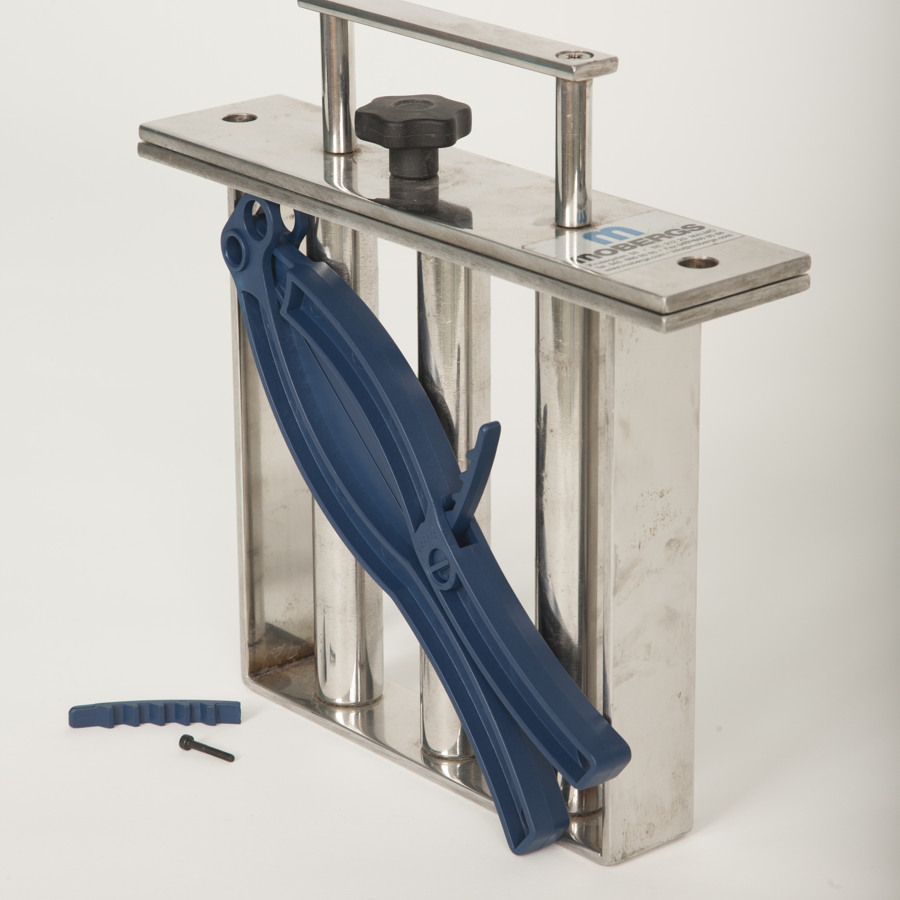
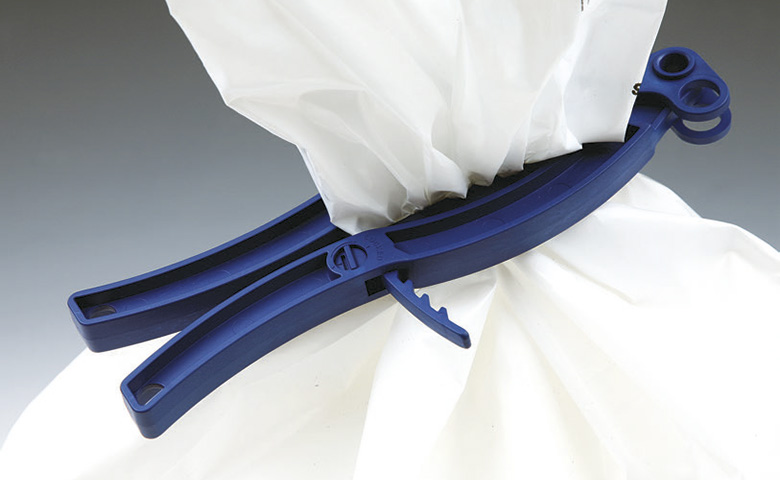
WeLoc detectable tweezers are made of materials containing special additives that allow for their identification by both metal detector and X-ray vision systems, the two most extensive inspection methods in the pharmaceutical and food production lines.
This means that, if for any reason a clamp is fragmented or falls into the product, the detection system will locate it before the lot leaves the plant. The risk of pollution is virtually eliminated.
Models such as the WeLoc Detectable Gripper POM 100 FD and the WeLoc Detectable POM 150 FD are specifically designed for these environments, and their use is designed precisely for lines where detectors are used to verify the absence of foreign particles in the contents of the packaging.
Policy compliance including
Beyond detection capacity, WeLoc clamps meet the most demanding market regulations:
- EC and US rules on food contact.
- ISO / TS 16949: 2009 certification (quality management in the automotive industry, also widely adopted in demanding industrial environments).
- ISO 14001 certification (environmental management)
For any company operating under BRC, IFS, FDA or the like, the availability of auxiliary materials to demonstrate its regulatory compliance is a direct competitive advantage during inspections.
A range thought for each application
Not all production lines are the same, and WeLoc knows it. This is why there is a wide range of models designed for specific situations:
WeLoc Professional PA 50: ideal for the medical and health sectors, with a compact size and precise closure.
WeLoc Gripper PA 100 / 150: designed for the most demanding situations: strong, robust and long life.
Weloc Detectable Gripper POM 100 FD: the leading solution for lines with active detection. It ensures that any fragment is identifiable by the inspection systems.
Weloc Detectabe POM 150 FD: larger version with swivel hinge that allows you to resist intensive use for many years, without losing your detection capacity.
WeLoc Care PA 90: designed for reduced spaces and high-sensitivity medical applications, such as colostomy bags or ileostomy.
Reusable: efficiency and sustainability
The WeLoc tweezers are reusable, which differentiates them from single-use closing systems. In an intensive production environment, this results in a significant reduction in the cost by closure and, at the same time, in fewer plant-generated waste.
The most dangerous pollution is the one that is not seen coming
In food and pharmaceutical safety audits, one of the main points of attention is the control of auxiliary materials: utensils, tools, containers and, yes, also packaging closures.. A non-conformity at this point may compromise the certification of a whole plant.
Incorporating WeLoc detectable tweets into the production line is a preventive measure with a direct impact on product safety and the tranquility of quality equipment. It's not an expense: it's a part of the control system.
The importance of not being wrong
Choosing the wrong material has direct consequences: loss of product property, claims, returns and, in sectors such as the pharmacist, possible regulatory problems. Insufficient barrier packaging may compromise the stability of a medicinal product or the expiry date of a food before the problem is visible.
In Pack-Lab we have been advising companies in the pharmaceutical and food sectors for more than 50 years in the selection of the most suitable packaging for your needs. Our technical team analyses the conservation, transport and life conditions required to recommend the optimal material and format.
Conclusion
The production line is an environment where small details have great consequences. Choosing auxiliary materials that are detectable, compliant with applicable regulations and designed to withstand intensive use is not a luxury reserved for large corporations. It is an intelligent decision available to any company that takes the quality of its products seriously.
At Pack-Lab we distribute the full range of WeLoc detectable tweets and we can help you identify the best model for your production process.
For more information see our page web and ours social media.