

The 4 most common errors in food packaging and how to avoid them
Food packaging plays an essential role: protecting the product, ensuring its quality and maintaining consumer safety. However, in many companies - from small producers to large industries- errors are made that can lead to economic losses, product deterioration or even regulatory sanctions. In this article we will review the 4 most common errors in the food packaging and how you can avoid it by applying good practices and using high quality materials like those we offer in Pack-Lab.
1. Do not choose the right material for the type of food
Each food has specific characteristics: moisture, fat, acidity, oxygen sensitivity, etc. Using the wrong material can alter its conservation or cause pollution.
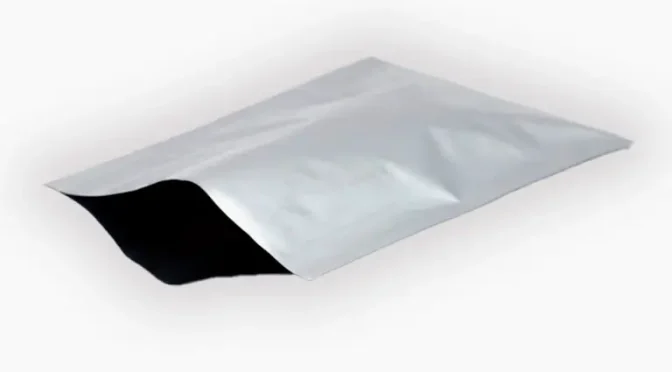
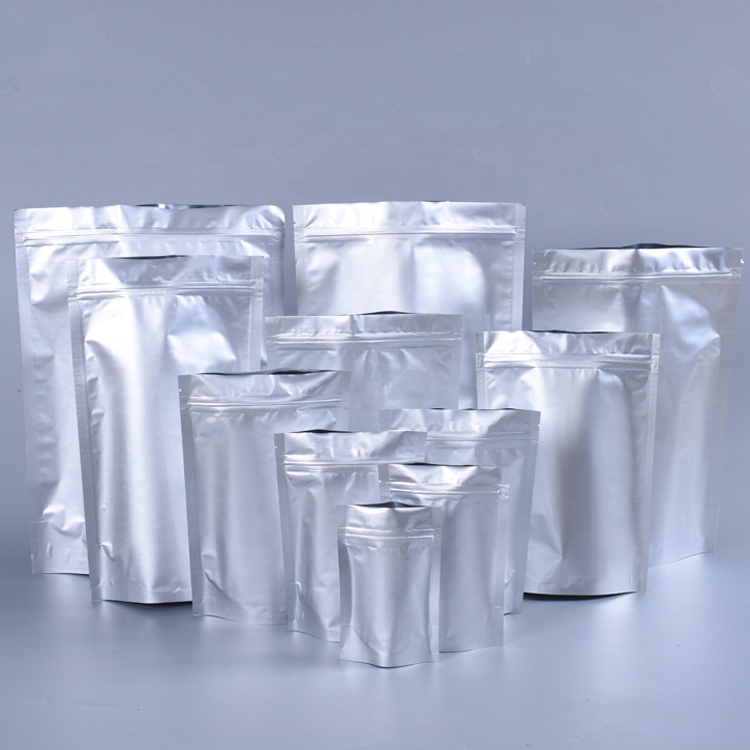
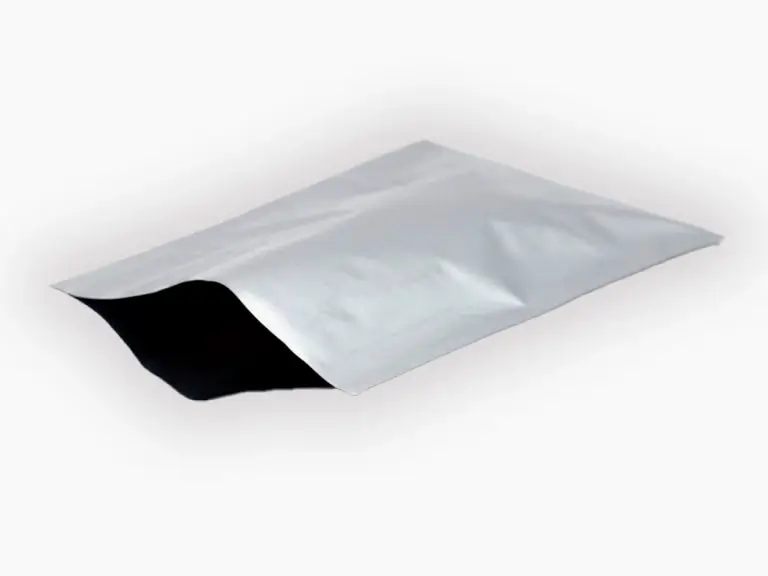
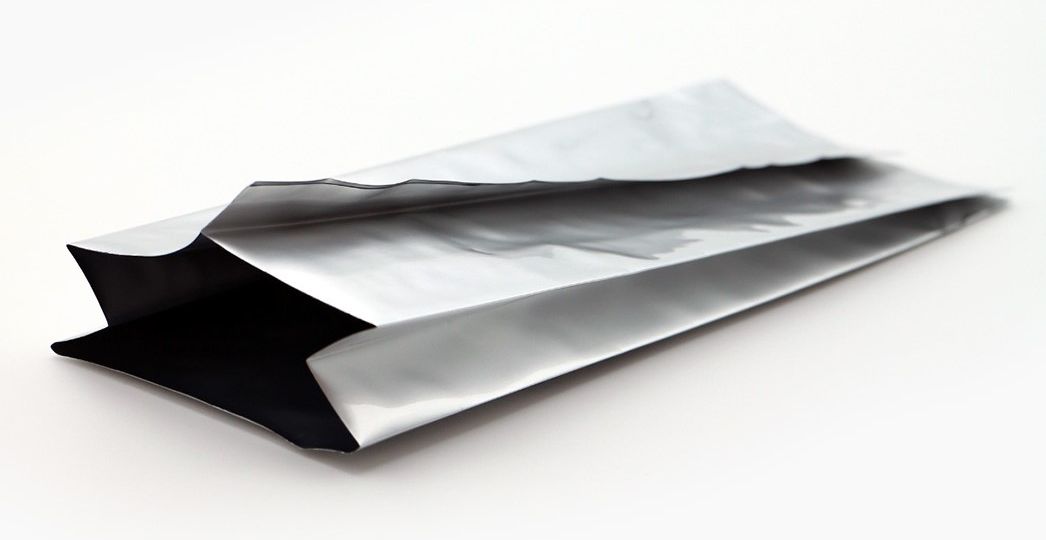
Example: A snack is high fatty content stored in a simple polyethylene bag can quickly deteriorate by the passage of oxygen. On the other hand, a multi-layer metallised bag offers a much more effective and secure barrier for this type of food.
How to avoid it: select materials with the right barrier (metallized, aluminium, etc.) and check their compatibility with the food type. At Pack-Lab we offer technical advice for each application.
2. Deficient or inconsistent sealing
An incomplete or irregular sealing allows the entry of air or moisture, ruining the quality of the product and shortening its useful life.
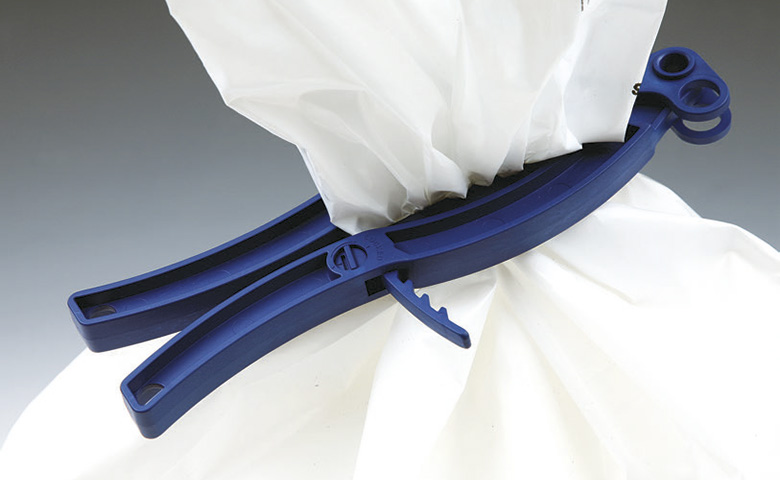
To avoid the entry of harmful external particles into the product, it is necessary to ensure that quality thermosellable bags are used and to properly calibrate the sealing parameters (pressure, temperature and time).
3. Lack of moisture control during storage or transport
Many dry foods (cookies, flour, powders, cereals, etc.) are sensitive to moisture and can cause spills and mold. Even a good container may fail if transport conditions are not controlled.
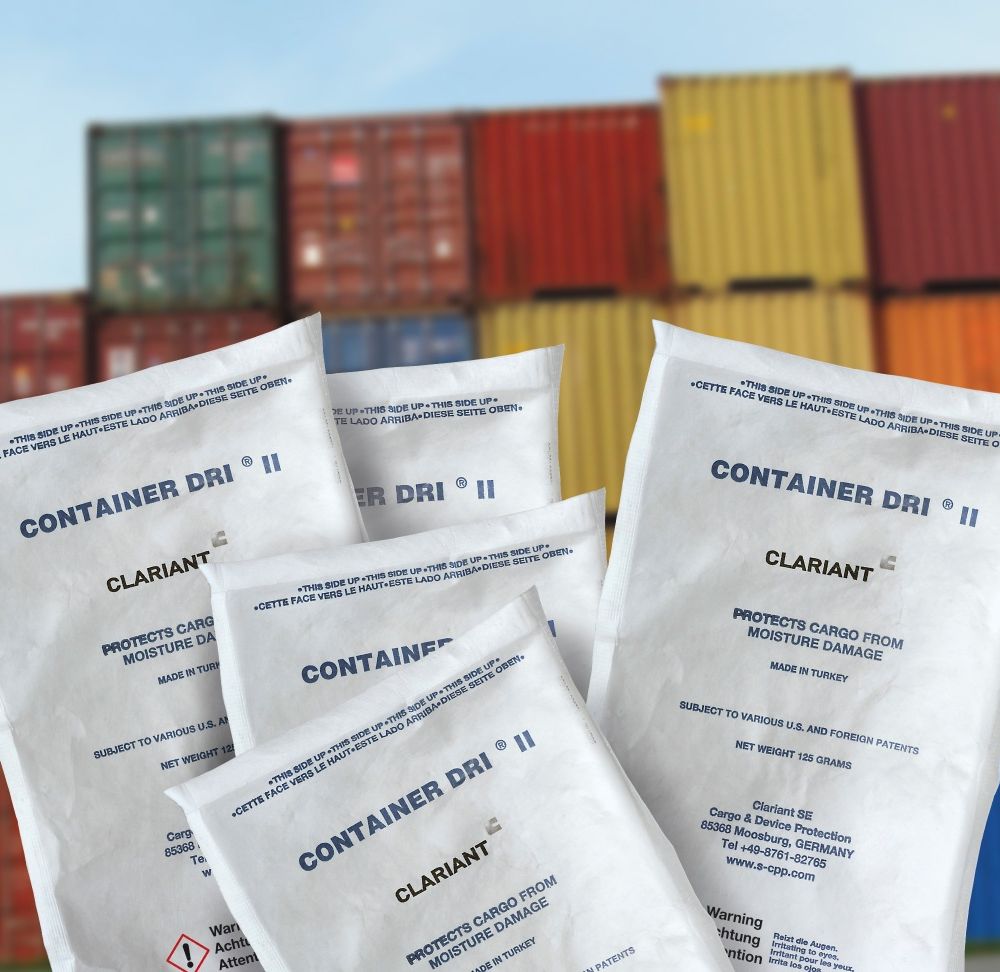
Dessicants and moisture controllers (indicator cards, etc.) should be used in the sea container or container.
At Pack-Lab we have solutions designed to prevent such incidents.
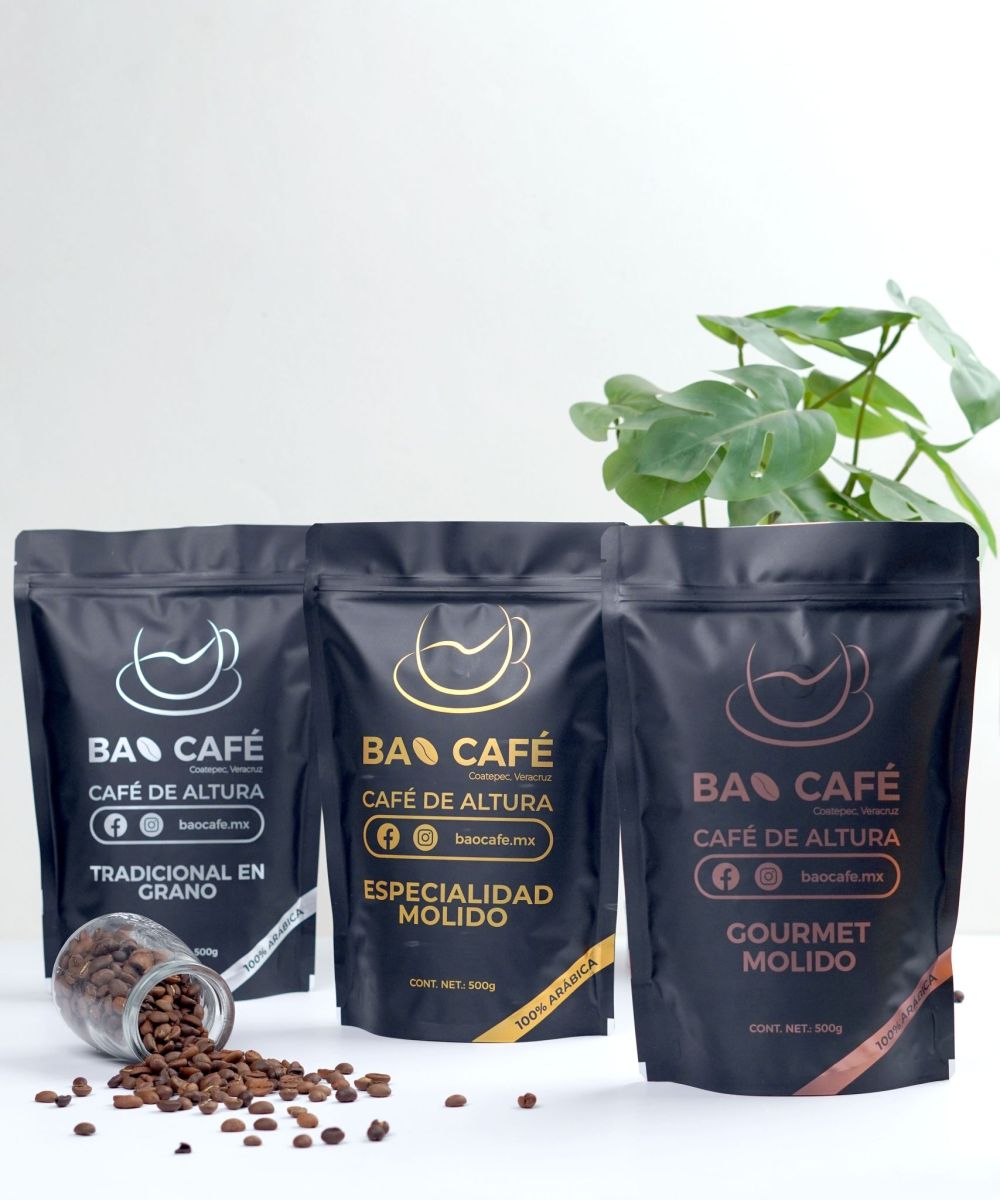
4. Do not consider logistics and transport
Conclusion
The success of a food product depends not only on its taste or quality, but also on cHow to protect and develop. An error in packaging may represent waste, loss of image and additional costs.
With the experience and technical solutions of Pack-Lab, you can avoid these mistakes and ensure that your products reach the consumer safe, fresh and with the highest quality.
For more information see our social media And our website.