


The proper storage of pharmaceutical products is a critical factor in ensuring their safety, stability and effectiveness. Medicines, active substances and supplements may be affected by different environmental factors if not stored correctly.
Inadequate storage management can lead to product degradation, loss of efficiency or even health risks. Therefore, the pharmaceutical industry must apply strict conservation controls and use appropriate packaging solutions.
We then analyse the most frequent problems in the storage of pharmaceutical products and how to prevent them.
1. Exposure to moisture
Humidity is one of the main enemies of many pharmaceutical products, especially those in solid form, such as tablets, capsules or powders.
When the medicinal products absorb moisture, negative effects may occur:
- Chemical degradation of the active substance
- Changes in product texture
- Agglomeration or partial dissolution
- Reduction of useful life
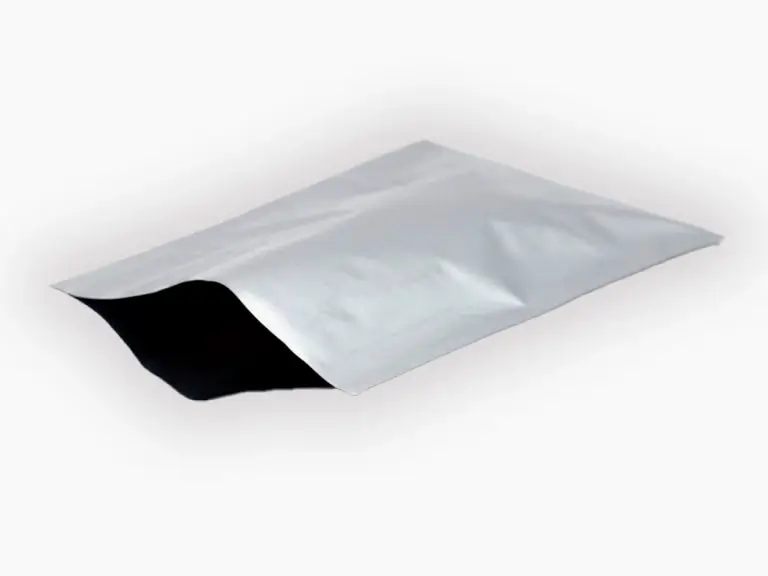
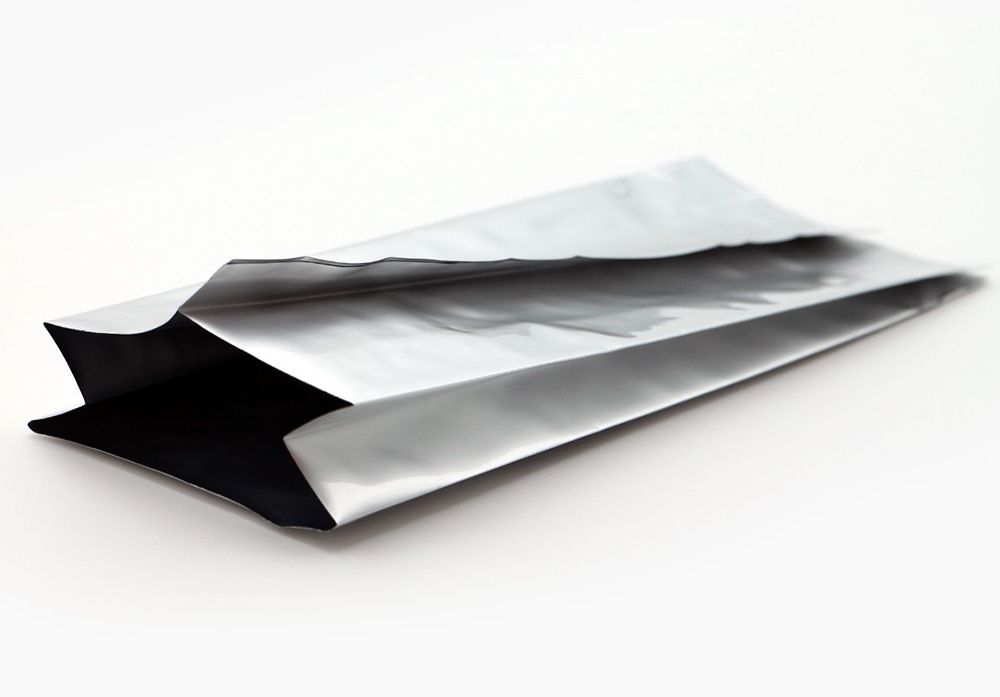
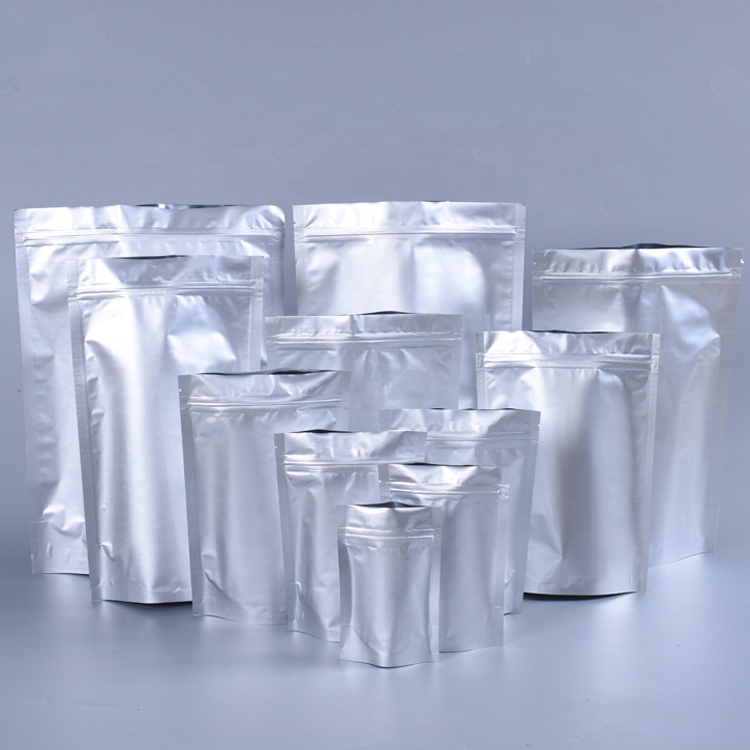
To avoid these problems it is essential to use high-barrier-to-moisture packaging and control systems such as desiccants or specialized packaging that maintain controlled moisture levels during storage.
2. Inadequate temperatures
Many medicines are sensitive to temperature variations.
Storage outside the recommended ranges may result in:
- Power loss of the active substance
- Degradation of sensitive components
- Alteration of drug stability
Some pharmaceutical products require a cold chain, while others must be kept in controlled environments to preserve their properties.
It is therefore essential to implement:
- Temperature monitoring systems
- Storage with environmental control
- Protective packaging during transport
3. Exposure to light
Certain medicines are photosensitive, which means that exposure to light can alter its chemical composition.
This can generate:
- Oxidation of active ingredients
- Loss of efficacy
- Changes in color or appearance.
To minimize this risk, it is recommended to use opaque packaging or light barrier materials that protect the product throughout the storage and distribution cycle.
4. Cross-contamination
Cross-contamination is an important risk in environments where multiple pharmaceutical products or active ingredients are stored.
It may be caused by:
- Wrong handling
- Joint storage of incompatible substances
- Inadequate packaging
This problem not only affects the quality of the product, but can also create regulatory problems and health risks.
Prevention involves:
- Appropriate product segregation systems
- Handling protocols.
- Packaging hermetics and sgeuro
5. Problems during long transport and storage
Many pharmaceutical products must travel long distances before reaching the end user.
During this process they may face:
- Abrupt temperature changes
- Moisture changes
- Exposure to extreme environmental conditions
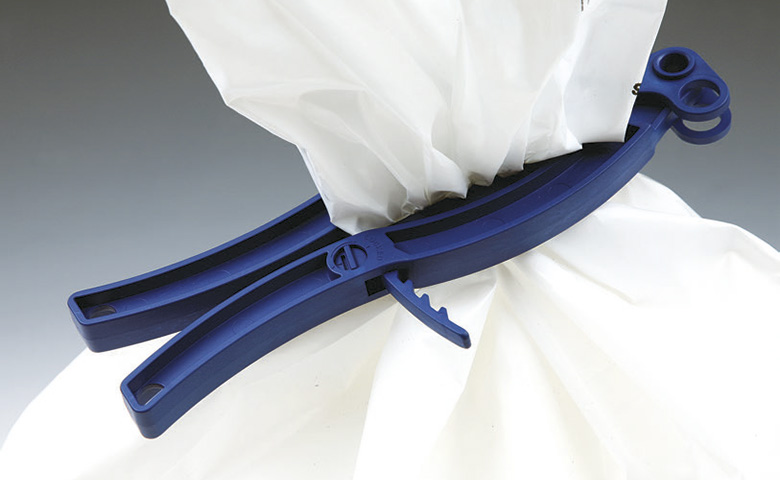
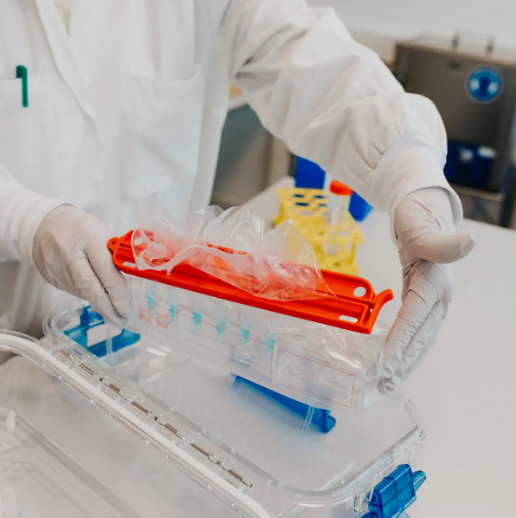
One appropriate pharmaceutical packaging is key to protecting the product throughout the logistics process, from storage to distribution.
The importance of choosing the right packaging
Packaging plays a key role in the protection of pharmaceutical products. A well-designed packaging system can help control critical factors such as moisture, oxygen, temperature and light.
In addition, the use of packaging solutions with high barrier and environmental control systems allows the stability of the product to be maintained during storage and transport.
Conclusion
The proper storage of pharmaceutical products is essential to maintain its quality, safety and effectiveness over time. Factors such as moisture, temperature, light, oxidation or contamination can compromise the stability of the medicinal products if they are not properly controlled.
For this reason, implementation is essential controlled storage conditions and appropriate packaging solutions which protect products from these risks. A good packaging system not only helps to preserve the properties of the medicinal product, but also ensures compliance with the quality standards required in the pharmaceutical industry.
In short, combine good storage practices with high protection packaging materials is key to ensuring that pharmaceuticals reach the patient in the best conditions.
For more information see our page web and ours social media.