

Pack-Lab material guide: how to choose the perfect bag for your product.
In the world of packaging, material is not just a matter of aesthetics; it is a strategic decision that affects conversation, sustainability and brand perception. At Pack-Lab, we have a selection of high-performance materials designed to adapt to various industrial and commercial needs.
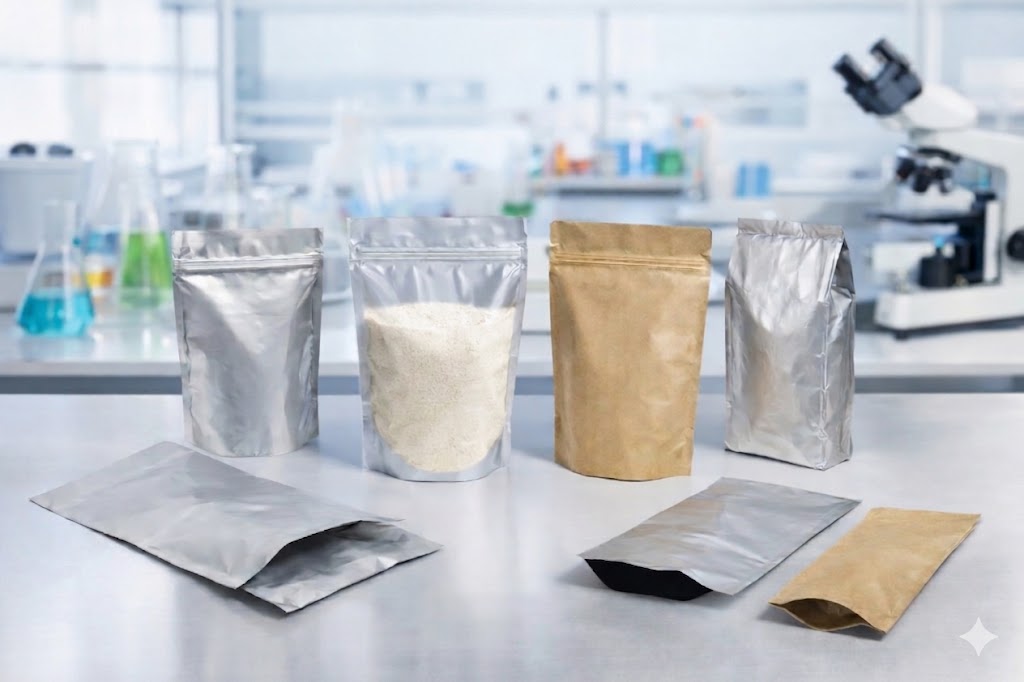
Below, we analyze the properties and benefits of our four star materials: kraft, aluminium, transparent and metallized.
1. Kraft material: the bet on the natural
The kraft paper is the best of the ecological and minimalist packaging. It is ideal for brands that seek to transmit values of crafts, sustainability and closeness.
Sustainability: is biodegradable, recyclable and, in many cases, composable.
Resistance: Despite its organic origin, it offers a great resistance to tear thanks to its long fibers.
Versatility: excellent for customization with ecological inks, providing a highly valued organic aspect in the gourmet and cosmetic sector.
2.Aluminium material: the definitive barrier
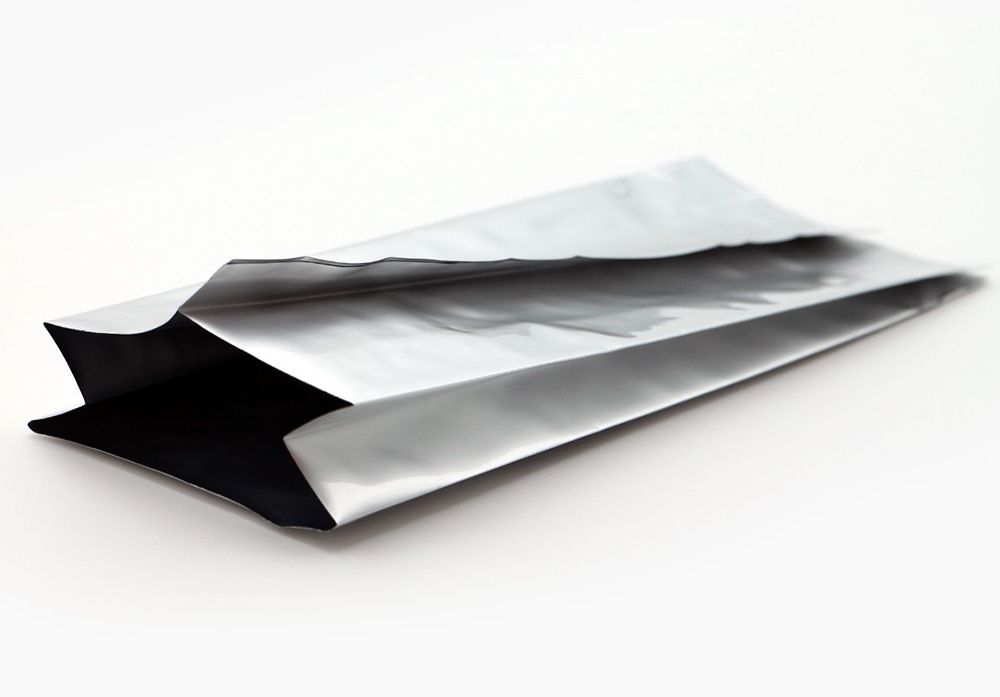
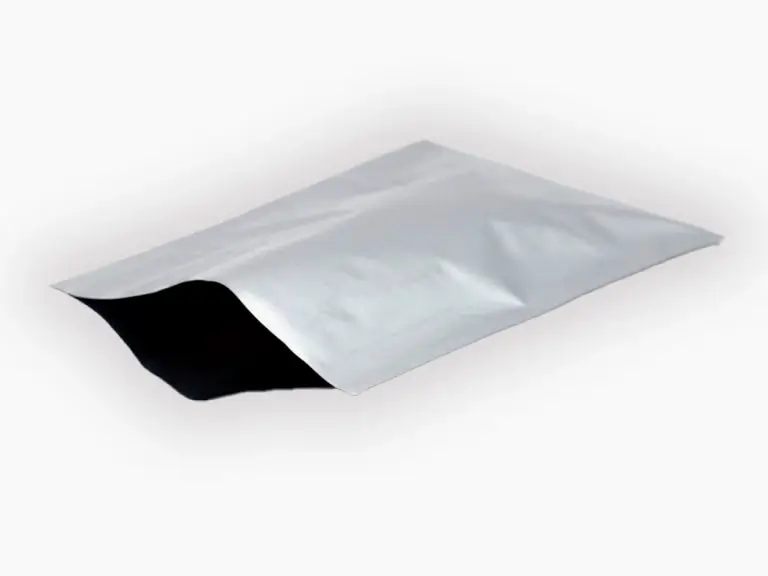
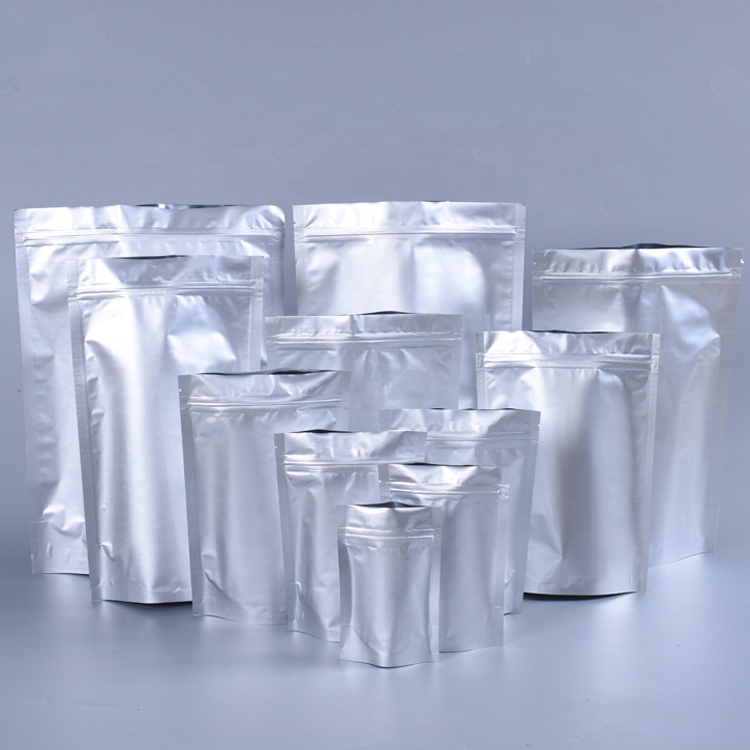
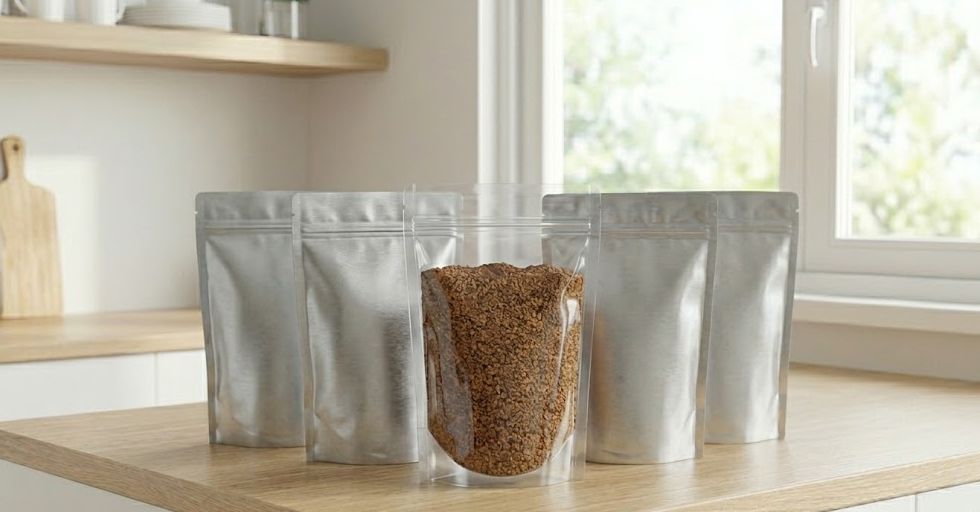
When we talk about total protection, aluminium is the reference material. It is the preferred option for products that require a long life and maximum safety.
360º protection: it offers an unbreakable barrier against light, oxygen, moisture and external odors.
Conservation: keeps the organoleptic properties (taste and aroma) of food such as coffee, spices or pharmaceutical products intact.
Durability: it is a robust material that supports demanding storage conditions.
3. Transparent material: visual honesty
There is no better marketing than the product itself. The transparent bags of high clarity allow the customer to see exactly what he is buying, generating immediate confidence.
Crystal transparency: high visibility that highlights textures and natural colors.
Functional barrier: made of high-quality polymers that protect against dust and moisture without hiding the content.
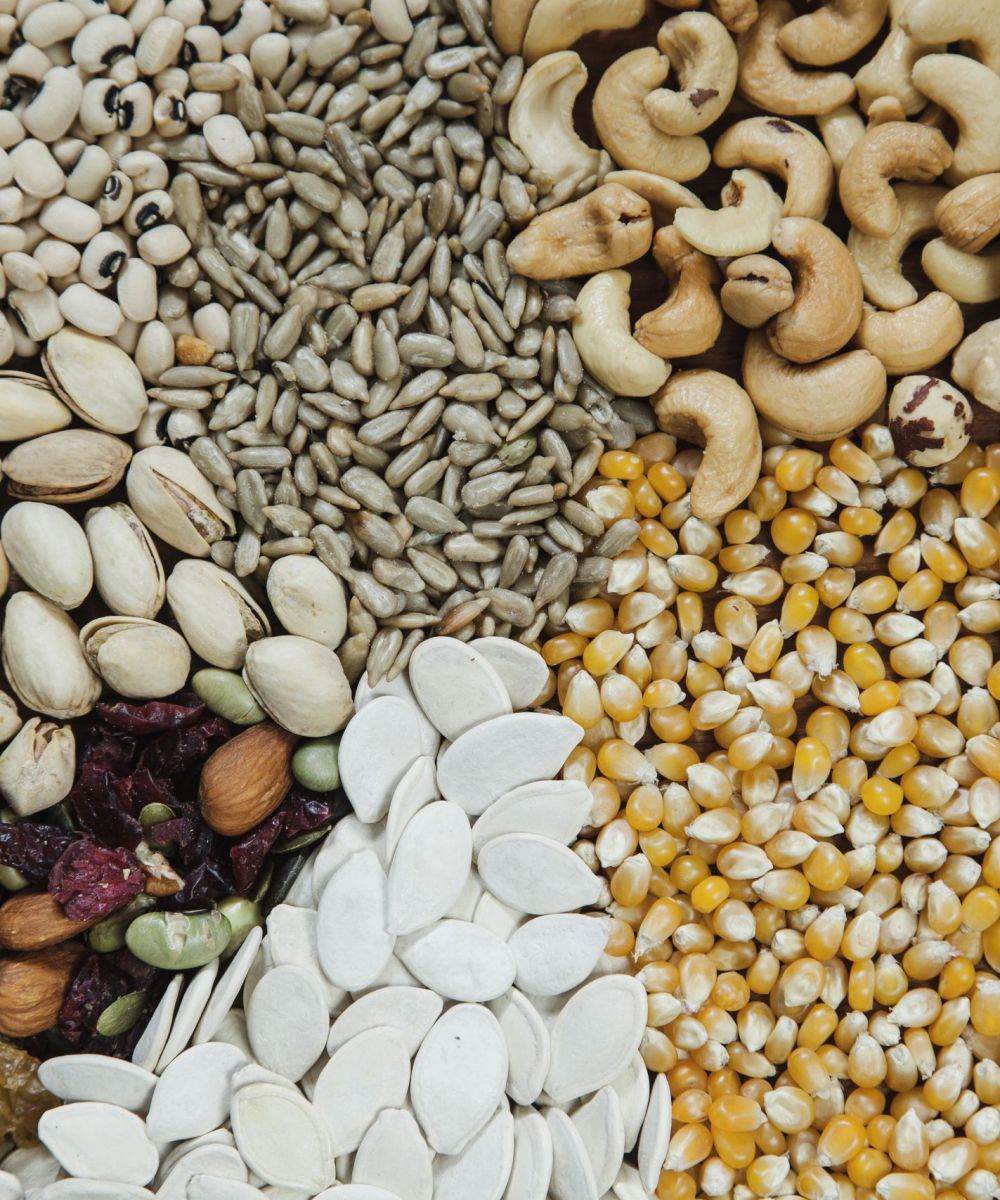
Light: an efficient option for products that are not light sensitive (nuts, pastes, etc.).
4. Metallised material: aesthetic and efficiency
Often confused with pure aluminium, the metallised material (laminated film) offers a perfect balance between cost, weight and protection.
Mirror effect: provides a premium and striking finish that stands out in the supermarket line.
Light: it is thinner than solid aluminium, which reduces transport costs and logistics carbon footprint.
UV protection: reflects sunlight, protecting the content of light degradation at a more competitive price.
Conclusion: the right material is the success of your product
The future packaging is not about choosing between aesthetics or functionality, but about finding the perfect balance between the two. In our company we work with Kraft, aluminium, transparent and metallised materials to offer you a range of possibilities that are adapted to the requirements of the current market. The correct material does not only protect your content; it enhances your brand.
For more information see our page web and ours social media.