

Aluminium bags vs. metallised plastic: Which protects best?
When it comes to protecting sensitive products from moisture, oxygen or light, the choice of packaging material can make the difference between a product in perfect conditions and one that has lost its properties before reaching the customer. Two of the most commonly used materials in the pharmaceutical and food industry are aluminium bags and metallised plastic bags. They may seem similar, but technically they are very different.
In this article we analyze their characteristics, their advantages and their limitations to help you make the best decision for your product.
What's an aluminium bag?
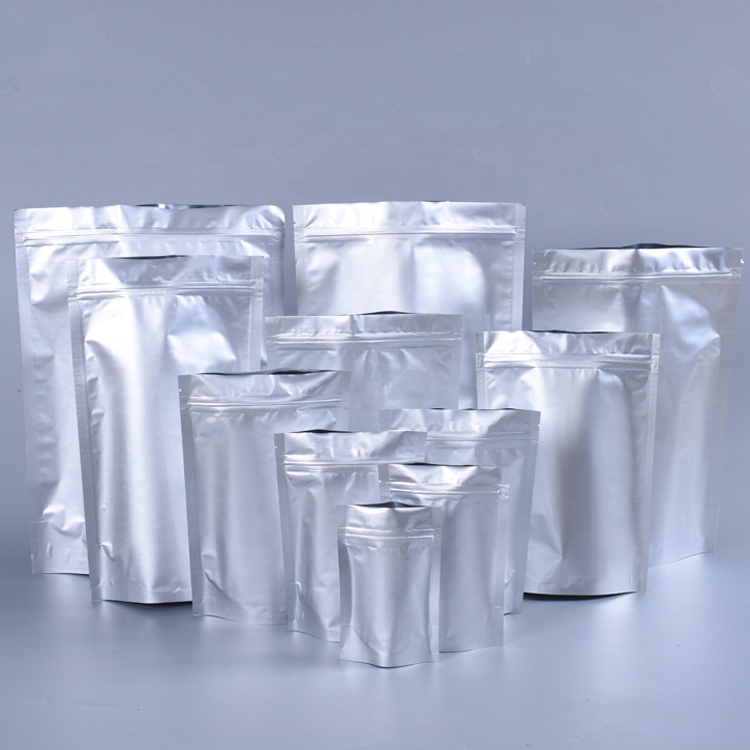
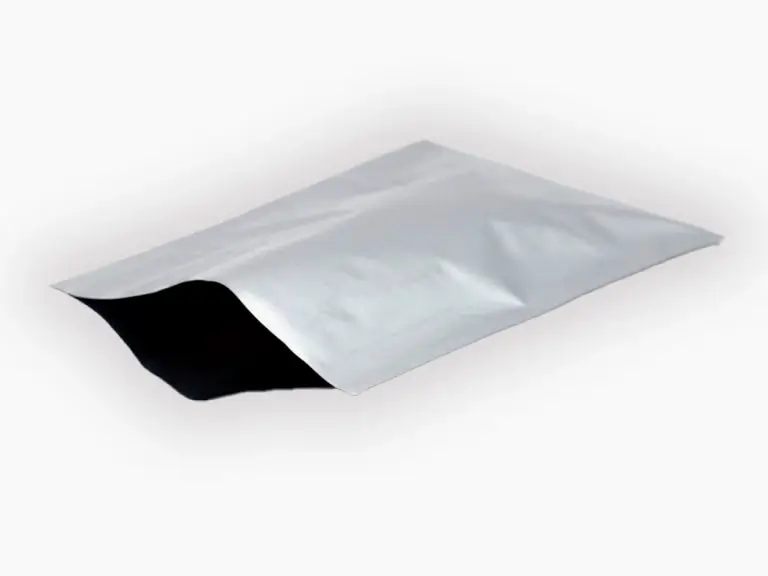
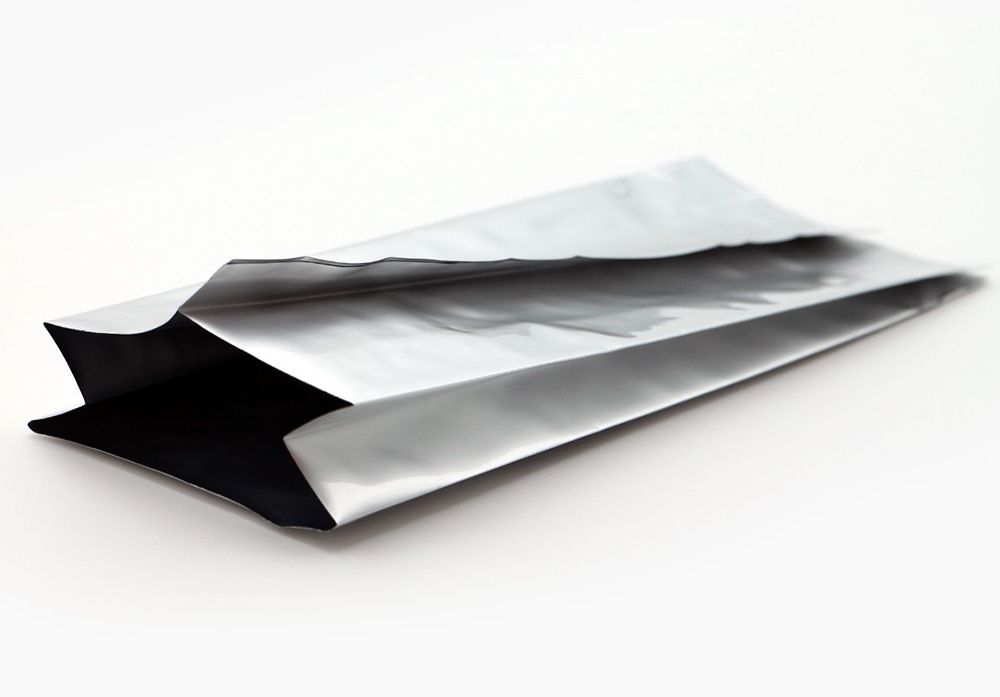
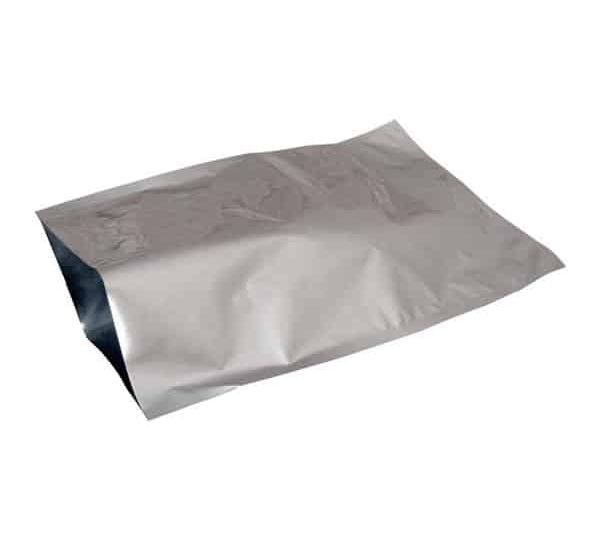
The aluminium bags are made from pure aluminium sheets, usually combined with other layers of material (such as polyethylene or polyester) to form a thermowelded multilayer complex. Aluminium acts as a real and continuous physical barrier against all external agents.
Its key properties are:
Total oxygen barrier:aluminium does not allow oxygen to pass, which is essential for oxidable products.
Total water vapour barrier:complete protection against moisture, even under conditions of prolonged storage or maritime transport.
Total light barrier:The aluminium blocks 100% of UV and visible radiation, protecting photosensitive assets.
High mechanical strength:supports the conditions of handling, transport and storage.
Aluminium bags are the reference solution when the protection requirements are maximum and there is no room for product degradation.
What is a metallised plastic bag?
Metallised plastic - also called metallised film or metallised polymer - is a plastic material (usually PET) on which a very fine layer of aluminium is deposited through a vacuum evaporation process. The result is a metal-looking film, but with an aluminium layer of only 20-100 nanometers of thickness.
Its key properties are:
Partial barrier to oxygen and water vapour:significantly lower than that of pure aluminium.
Partial barrier to light:blocks most of the radiation, but not 100%.
Increased flexibility and lightness:The metallised film is lighter and malleable than the aluminium complex.
High quality printing possibility:the basic transparency of the plastic allows bright and attractive graphic finishes for the consumer market.
Metallized plastic is a medium-high protection solution, suitable when the product requires a good barrier but the storage conditions are not extreme.
When do you choose aluminium bags?
Aluminium bags are the right option when:
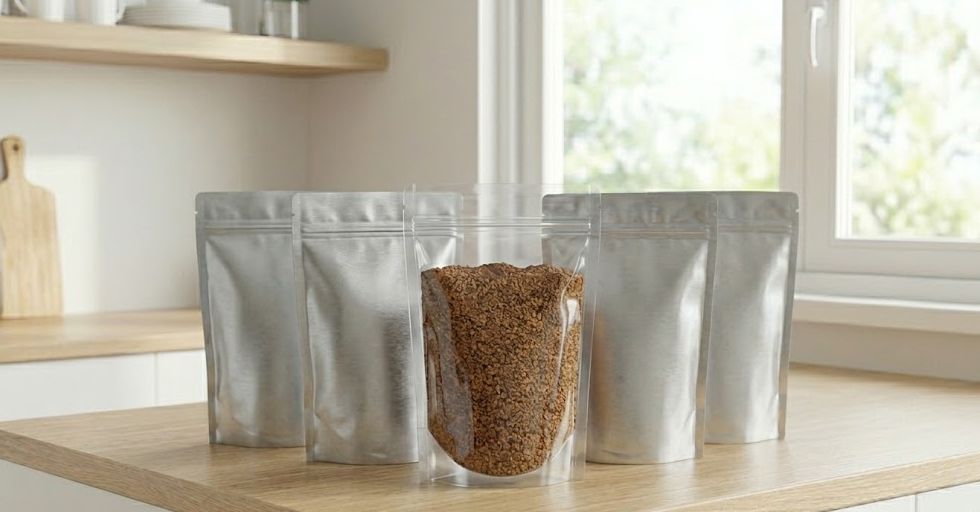
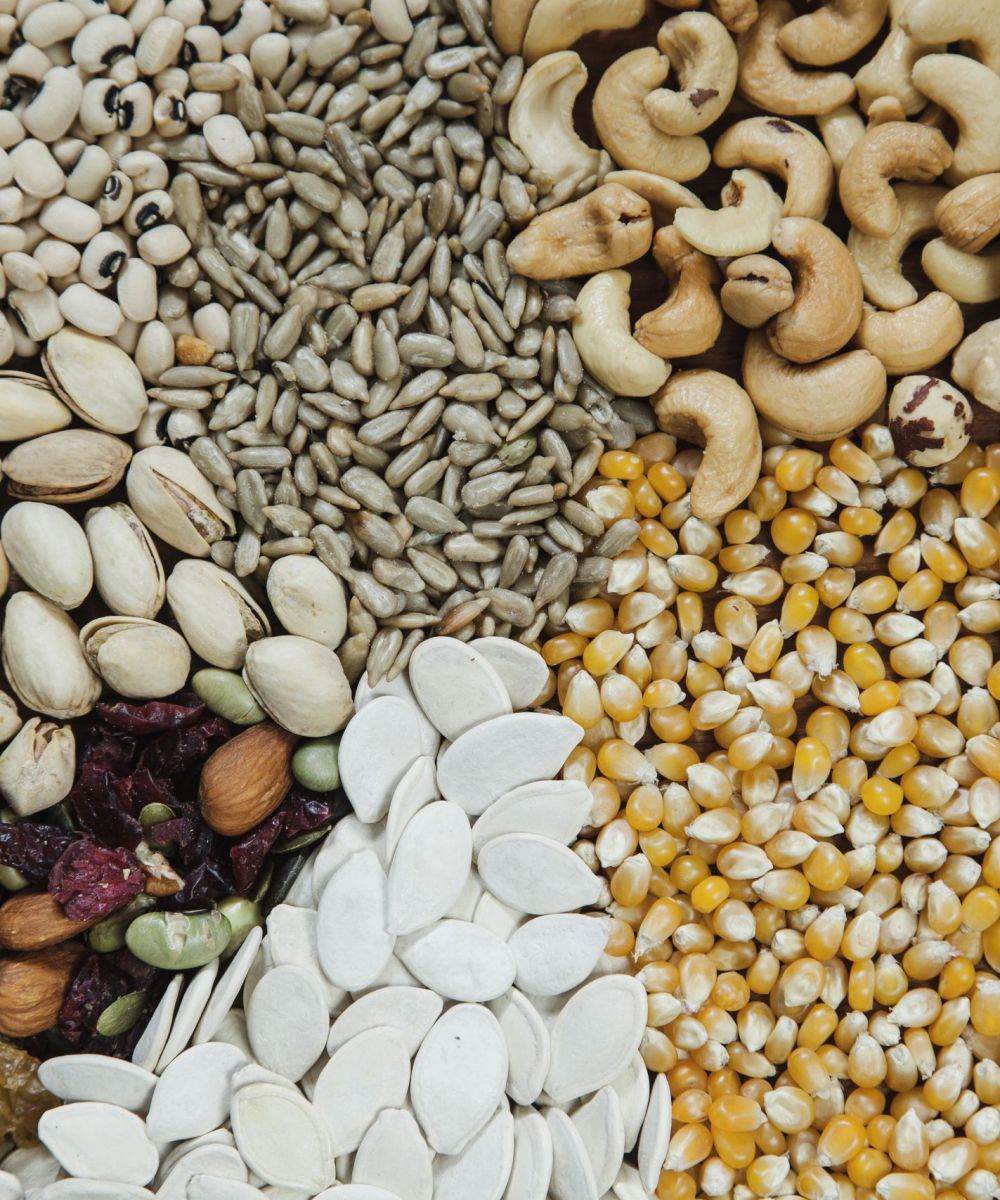
The product is highly sensitive to moisture or oxygen (active substances, hygroscopic powders, coffee, nuts, etc.)
A long service life of more than 12-24 months is required.
The product shall be subject to demanding transport or storage conditions (high humidity, temperature changes, sea transport).
Quality standards or standards require certified barriers.
The product is photosensitive and requires full protection from light.
At Pack-Lab we manufacture aluminium bag in different forms - flat, with side bellows, I give pack and 3D- adapted to the specifications of each customer and sector.
When to choose metallised plastic?
Metallized plastic is a good choice when:
The product requires moderate protection against moisture and oxygen, but not extreme conditions.
Packaging has an important commercial component and the visual impact is prioritized.
The product is not particularly sensitive to traces of oxygen or moisture.
It is common in snacks, cereals, cosmetic products or fast rotation supplements.
The importance of not being wrong
Choosing the wrong material has direct consequences: loss of product property, claims, returns and, in sectors such as the pharmacist, possible regulatory problems. Insufficient barrier packaging may compromise the stability of a medicinal product or the expiry date of a food before the problem is visible.
In Pack-Lab we have been advising companies in the pharmaceutical and food sectors for more than 50 years in the selection of the most suitable packaging for your needs. Our technical team analyses the conservation, transport and life conditions required to recommend the optimal material and format.
Conclusion: there is no universally available material
better
The question is not which of the two materials is best in absolute terms, but which is right for each product and context. If your product requires maximum protection and long service life, aluminium is the answer. If your priority is cost, weight or visual impact with sufficient protection, the metallised plastic may be the right solution.
For more information see our pageweb and ours social media.